Introduction: The Freedom of the Open Road
There's something uniquely American about a road trip—the freedom of the open highway, the anticipation of discovery around every corner, and the opportunity to experience America's incredible diversity of landscapes and cultures firsthand. Whether you're seeking dramatic mountain scenery, pristine coastlines, historical landmarks, or hidden small-town charm, America's most scenic road trips offer transformative travel experiences.
Road trips hold special appeal for mature travelers seeking flexibility, independence, and meaningful travel experiences. You control the pace, choose your stops, and have freedom to linger where you wish. A well-planned road trip combines stunning scenery with comfortable driving, interesting stops, and ample time to rest and enjoy each destination.
1. Route 66: The Mother Road Icon
Route 66, extending 2,451 miles from Chicago, Illinois to Santa Monica, California, is America's most legendary highway. Known as "The Mother Road," this historic route represents the golden age of American car travel, traversing eight states and passing through the American heartland, deserts, and western landscapes.
Why It's Essential for Road Trippers: Route 66 embodies the romance and freedom of American road travel. The route is famous for its roadside attractions, vintage motels, classic diners, and quirky small-town character. Driving Route 66 is as much about the experience as the destination.
Distance & Duration: 2,451 miles; best experienced over 10-14 days for a leisurely pace.
Best Time to Visit: April-May or September-October for comfortable weather and manageable crowds.
Must-See Attractions:
- Chicago, Illinois: Starting point with Route 66 Museum and historic sites
- St. Louis Gateway Arch, Missouri: Iconic symbol of westward expansion
- Cadillac Ranch, Texas: Quirky roadside attraction featuring vintage Cadillacs buried nose-first
- Meteor Crater, Arizona: 50,000-year-old impact crater
- Grand Canyon, Arizona: Stunning natural wonder accessible from Route 66
- Santa Monica Pier, California: Iconic endpoint with Pacific Ocean views
Practical Tips: Much of the original Route 66 follows modern highways, though segments of the historic road remain. Many original attractions have been restored. Plan overnight stays in Route 66-themed towns for authentic experiences. Fuel up regularly as some stretches lack services.
2. Pacific Coast Highway (California State Route 1)
The Pacific Coast Highway is arguably America's most spectacular scenic drive. Hugging the California coastline for 655 miles from San Diego to Mendocino, this legendary highway offers dramatic ocean vistas, pristine beaches, charming seaside towns, and spectacular natural beauty.
Why It's Essential for Road Trippers: The Pacific Coast Highway delivers quintessential California scenery with minimal effort. The drive itself is the attraction, offering constantly changing coastal landscapes and numerous pullouts for photography and exploration.
Distance & Duration: 655 miles; 7-10 days recommended for unhurried travel.
Best Time to Visit: May-June or September-October for perfect weather. Avoid summer crowds and winter storms.
Must-See Highlights:
- Big Sur: 123 miles of dramatic coastline between Carmel and San Simeon—arguably California's most beautiful stretch
- Carmel-by-the-Sea: Charming artistic village with galleries, shops, and Carmel Beach
- Hearst Castle: Historic mansion perched on hillside overlooking the Pacific
- Santa Barbara: Spanish colonial city with white-washed architecture and Mediterranean atmosphere
- Malibu Beaches: Iconic beaches with dramatic cliff backdrops
- Point Reyes National Seashore: Dramatic headlands with hiking and lighthouse tours
Practical Tips: Advance accommodations highly recommended, especially in popular towns. The drive is curvy—take it slowly and enjoy scenery. Bring a good camera. Watch for marine wildlife (whales, sea otters, seals). Fill gas tanks regularly in remote sections.
3. Blue Ridge Parkway: America's Favorite Drive
Straddling the Virginia-North Carolina border, the Blue Ridge Parkway is a 469-mile scenic highway through the Appalachian Mountains, connecting Shenandoah National Park to Great Smoky Mountains National Park. Often called "America's Favorite Drive," the parkway receives more visitors than the Grand Canyon.
Why It's Essential for Road Trippers: The Blue Ridge Parkway offers unmatched combination of natural beauty, hiking opportunities, and cultural heritage. The parkway's 50 mph speed limit encourages leisurely travel and appreciation of scenery.
Distance & Duration: 469 miles; 5-7 days recommended for full exploration.
Best Time to Visit: September-October for spectacular fall foliage. April-May for spring blooms and wildflowers.
Must-See Highlights:
- Shenandoah National Park: Northern gateway with 105 miles of scenic drive (Skyline Drive)
- Linville Falls: 90-foot waterfall accessible via short, scenic hiking trail
- Crabtree Falls: 70-foot waterfall—tallest east of Mississippi River
- Grandfather Mountain: Historic mile-high swinging bridge with panoramic views
- Asheville, North Carolina: Cultural hub with Biltmore Estate, galleries, and dining
- Great Smoky Mountains National Park: Southern terminus connecting to most-visited national park
Practical Tips: Multiple scenic overlooks available for photography and rest stops. Most attractions are free. The road remains open year-round, though some sections may close during winter. Perfect for combining driving with hiking. Fuel up before entering parkway sections.
4. Going-to-the-Sun Road: Glacier National Park's Crown Jewel
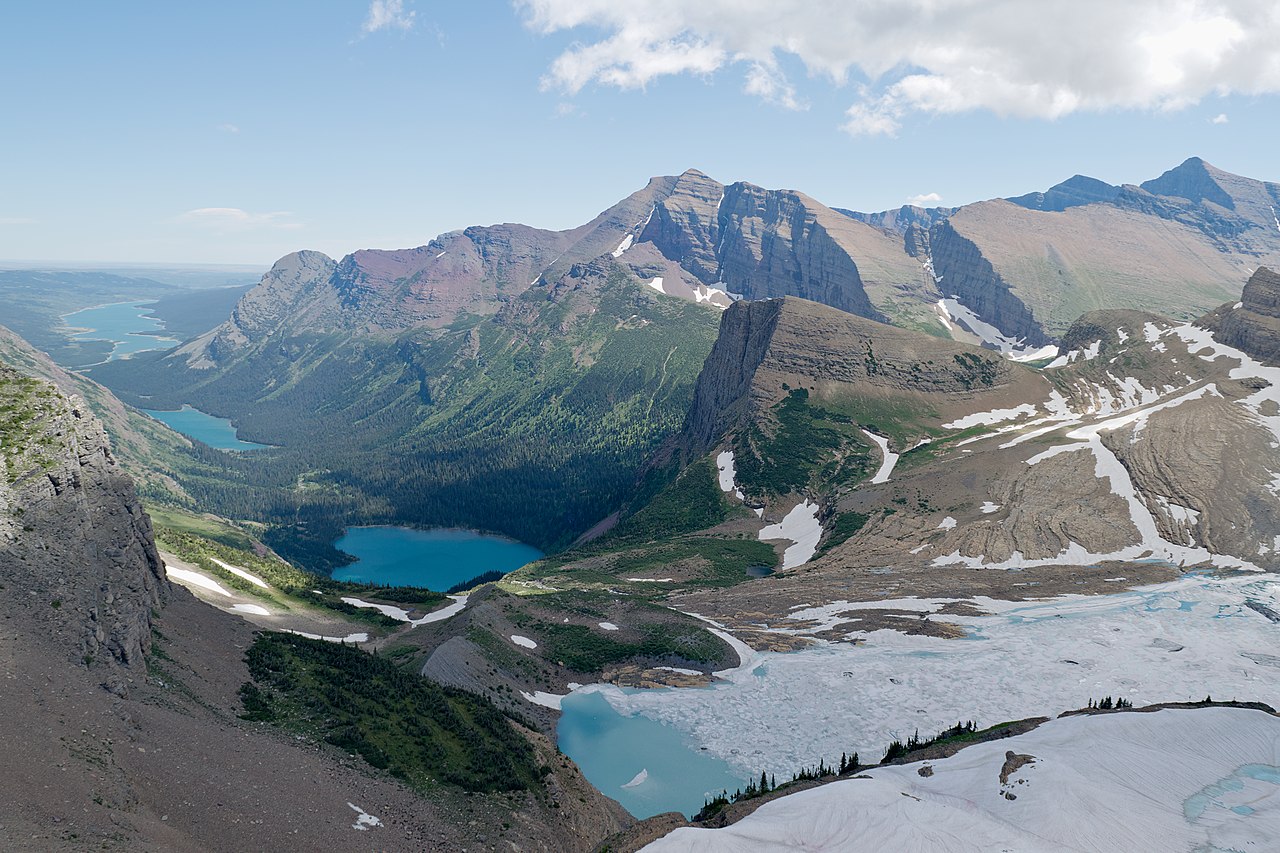
This 50-mile engineering marvel traverses Glacier National Park in Montana, connecting the west and east sides of the park. The narrow, winding road climbs to 6,680 feet elevation, offering spectacular alpine scenery, turquoise glacial lakes, and dramatic mountain peaks.
Why It's Essential for Road Trippers: Going-to-the-Sun Road is the only vehicle route across Glacier National Park, making it the primary way to experience the park's interior. The views rival any American mountain drive.
Distance & Duration: 50 miles; 1-2 days recommended for full appreciation.
Best Time to Visit: June-September only. Road closes during winter due to heavy snow. Mid-July through August offers most reliable conditions.
Must-See Highlights:
- Lake McDonald: Montana's largest freshwater lake with pristine mountain backdrop
- Avalanche Lake Trail: 4-mile hike through cedar forest to alpine lake
- Logan Pass Visitor Center: Road's highest point (6,680 feet) with interpretive exhibits
- Hidden Lake Overlook: 3-mile hike with mountain goat viewing opportunities
- Jackson Glacier Overlook: Accessible overlook of remnant glacier
- Saint Mary Lake: Pristine glacial lake at eastern entrance
Practical Tips: Road has narrow sections and steep dropoffs—drive carefully and take curves slowly. RVs over 21 feet prohibited past Avalanche Picnic Area. Book lodging well in advance. Carry layers—weather changes rapidly at high elevation. Start early to secure parking at popular pullouts.
5. Natchez Trace Parkway: Historic Heritage Drive
The Natchez Trace Parkway is a 444-mile scenic route following an ancient Native American trail through Mississippi, Tennessee, and Alabama. The parkway connects Natchez, Mississippi (site of historic plantation town) to Nashville, Tennessee, emphasizing scenic beauty and historical significance.
Why It's Essential for Road Trippers: The Natchez Trace Parkway offers unique combination of natural beauty and American history. The 50 mph speed limit and parkway restrictions (no commercial traffic) create peaceful driving experience.
Distance & Duration: 444 miles; 4-5 days recommended.
Best Time to Visit: April-May (spring blooms) or October-November (fall colors and comfortable temperatures).
Must-See Highlights:
- Natchez Historic District: Charming antebellum town with preserved plantations and historic architecture
- Emerald Mound: Ancient Native American mound (2,000 years old) with interpretive trail
- Tupelo National Battlefield: Historic Civil War battlefield with visitor center
- Meriwether Lewis Monument: Memorial to Lewis and Clark expedition co-leader
- Tobacco Row Historic Site: Restored colonial-era farm with living history demonstrations
- Nashville Parthenon: Full-scale Greek Parthenon replica in downtown Nashville
Practical Tips: Most attractions along parkway are free. Limited food and fuel along the parkway—plan accordingly. Excellent for combining history with natural beauty. Allows stops at visitor centers along the route. Perfect for photographers of historical sites and natural landscapes.
6. U.S. Route 50: The Loneliest Road in America
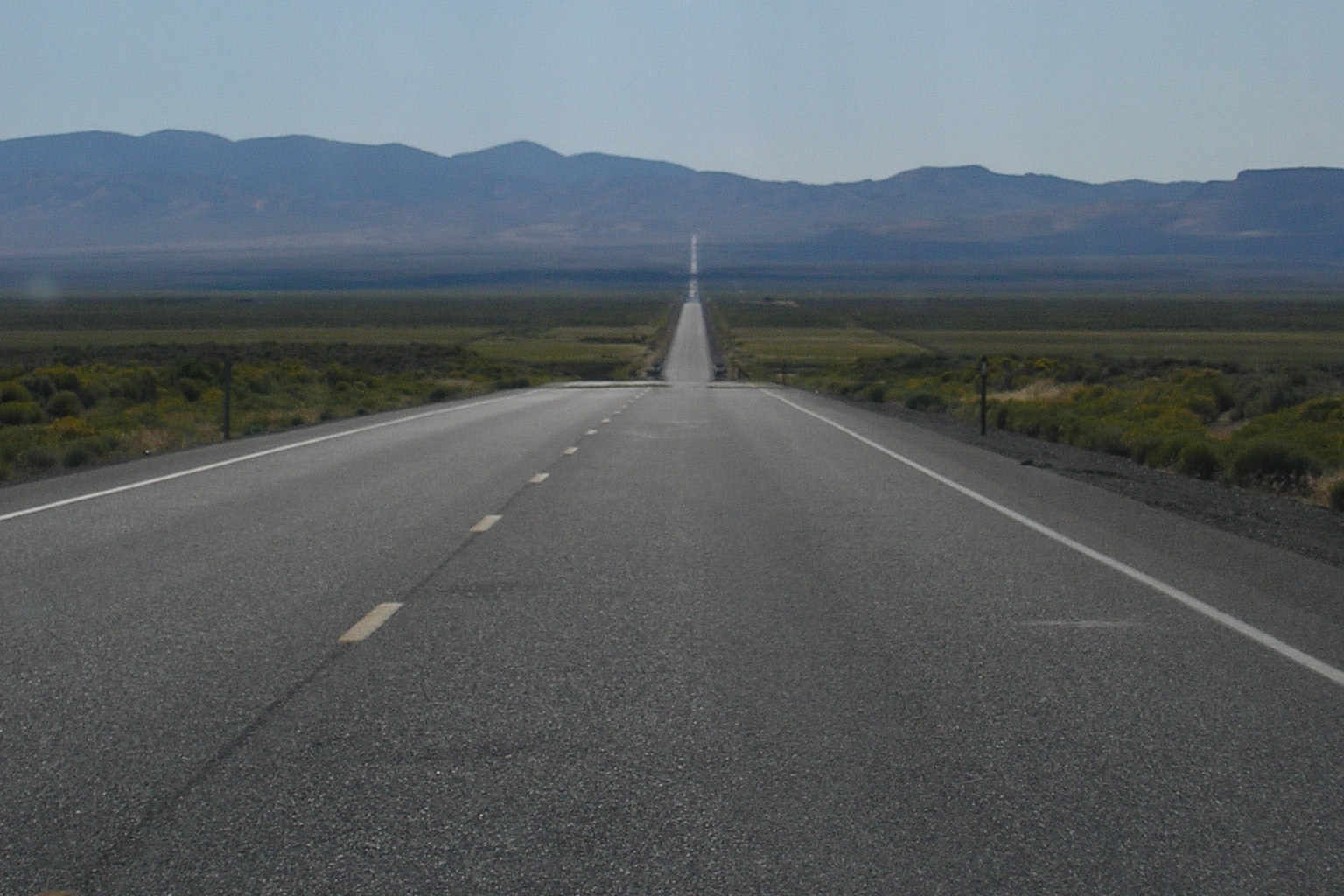
Dubbed "The Loneliest Road in America" by Life Magazine in 1986, U.S. Route 50 stretches 3,073 miles from Ocean City, Maryland to Sacramento, California. The Nevada section particularly deserves its nickname—a 287-mile stretch through central Nevada with virtually no services and minimal traffic.
Why It's Essential for Road Trippers: Route 50 delivers authentic American wilderness driving experience. The remote desert landscape, vast open spaces, and feeling of isolation appeal to travelers seeking genuine adventure and escape from civilization.
Distance & Duration: Full route 3,073 miles; Nevada section 287 miles takes 1-2 days.
Best Time to Visit: April-May or September-October. Summer heat extreme; winter roads difficult.
Must-See Highlights:
- Great Basin National Park: Ancient bristlecone pines, Lehman Caves, dark sky park
- Lake Tahoe: Crystal-clear alpine lake with stunning mountain scenery
- Austin, Nevada: Historic mining town with Victorian architecture
- Berlin-Ichthyosaur State Park: Ghost town with preserved 1870s mining ruins
- Sand Mountain: Massive sand dune spanning 6 miles
- Bonneville Salt Flats (Utah side): Stark white salt flats creating otherworldly landscape
Practical Tips: This is remote desert driving—ensure vehicle is mechanically sound. Carry extra water and gas. Cell service unreliable. Bring paper map. Many stretches lack services for 60+ miles. Drive daylight hours when possible. The isolation and remoteness are the appeal—embrace them.
Planning Your Perfect Scenic Road Trip
Step 1: Choose Your Route Based on Interests Consider whether you prefer coastal scenery, mountain landscapes, desert vistas, or historical exploration. Each route offers different experiences.
Step 2: Plan the Pace Resist rushing. Allow one-two additional days beyond minimum drive time for stops, rest, and exploration. The best road trips balance driving with discovery.
Step 3: Book Accommodations in Advance Popular routes require early booking, especially during peak seasons. Mix hotel stays with scenic camping experiences if desired.
Step 4: Prepare Your Vehicle Get pre-trip inspection, check tire tread, top off fluids, ensure spare tire is functional. Carry emergency supplies: jumper cables, flashlight, basic tools, first-aid kit.
Step 5: Plan Your Route Details Identify must-see attractions, plan daily driving limits, note fuel and food stops, research weather patterns for your season.
Step 6: Pack Strategically Bring sunscreen, layers, comfortable driving clothes, good walking shoes, and a quality camera. Pack entertainment for long driving stretches.
The Transformative Power of Scenic Road Trips
Scenic road trips represent a distinctive form of travel unique to the American experience. The combination of distance, diverse landscapes, and automobile flexibility allows travelers to experience America's incredible natural and cultural diversity in ways not possible through other travel methods.
Beyond the scenery and attractions, road trips provide psychological benefits: time for reflection, conversations with travel companions, freedom from daily routine, and opportunities for personal discovery. Many travelers report that road trips fundamentally changed their perspective and appreciation for America's natural beauty and diversity.
Conclusion
America's scenic road trips represent some of the world's greatest driving experiences. Whether you choose the iconic Route 66, the breathtaking Pacific Coast Highway, the culturally rich Blue Ridge Parkway, the alpine drama of Going-to-the-Sun Road, the historic Natchez Trace, or the remote adventure of Route 50—you're guaranteed unforgettable experiences.
The perfect road trip isn't just about reaching a destination; it's about embracing the journey, stopping where your curiosity leads, and savoring the constantly changing scenery and experiences along the way.
Which road trip calls to you? Share your favorite routes and memorable road trip experiences with our community. What stops surprised you? Which scenic viewpoints took your breath away? We'd love to hear about your American road trip adventures!